Wild sheep came close to disappearing from much of their range. Their recovery is one of the great conservation stories of the West, and hunters have paid for much of it.
The decline
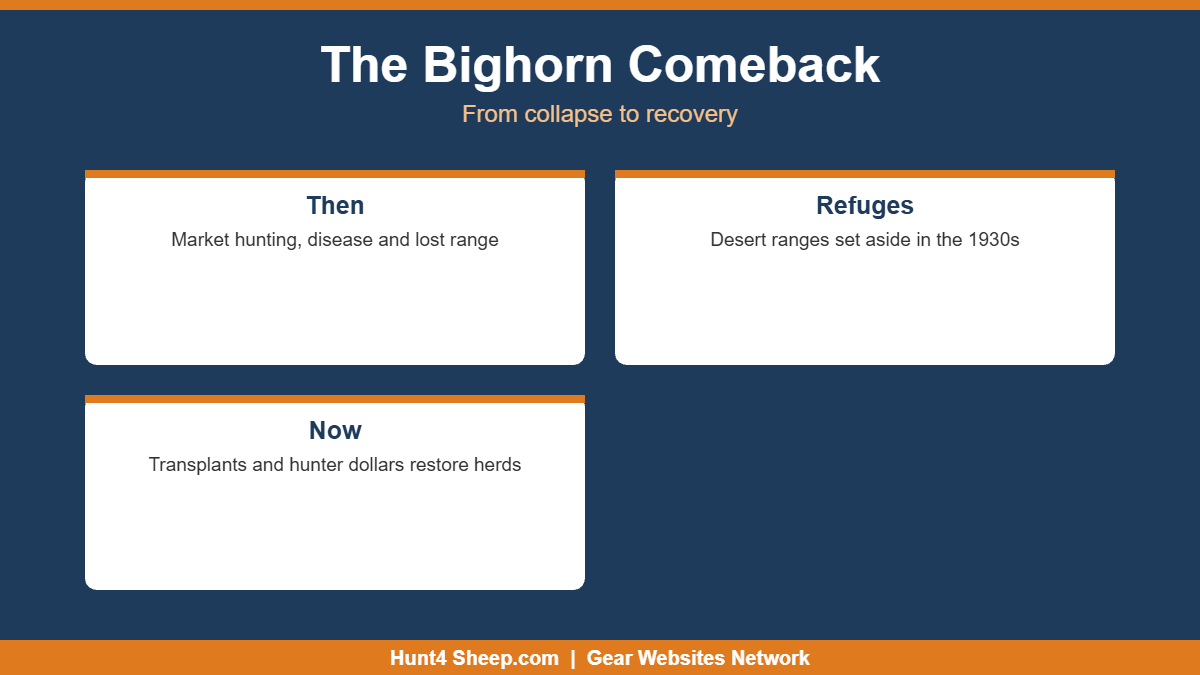
By some estimates, well over a million bighorns lived in North America before settlement. Unregulated hunting, competition with livestock, lost habitat and disease cut that number to a small fraction by the mid-1900s. Many herds vanished completely.
Refuges and recovery
In the 1930s the federal government set aside desert ranges for bighorns, including the Desert Game Range in Nevada and the Kofa and Cabeza Prieta ranges in Arizona. States later began capturing sheep from healthy herds and moving them to empty mountains. Transplants have restored bighorns to many ranges where they had been lost.
The disease problem
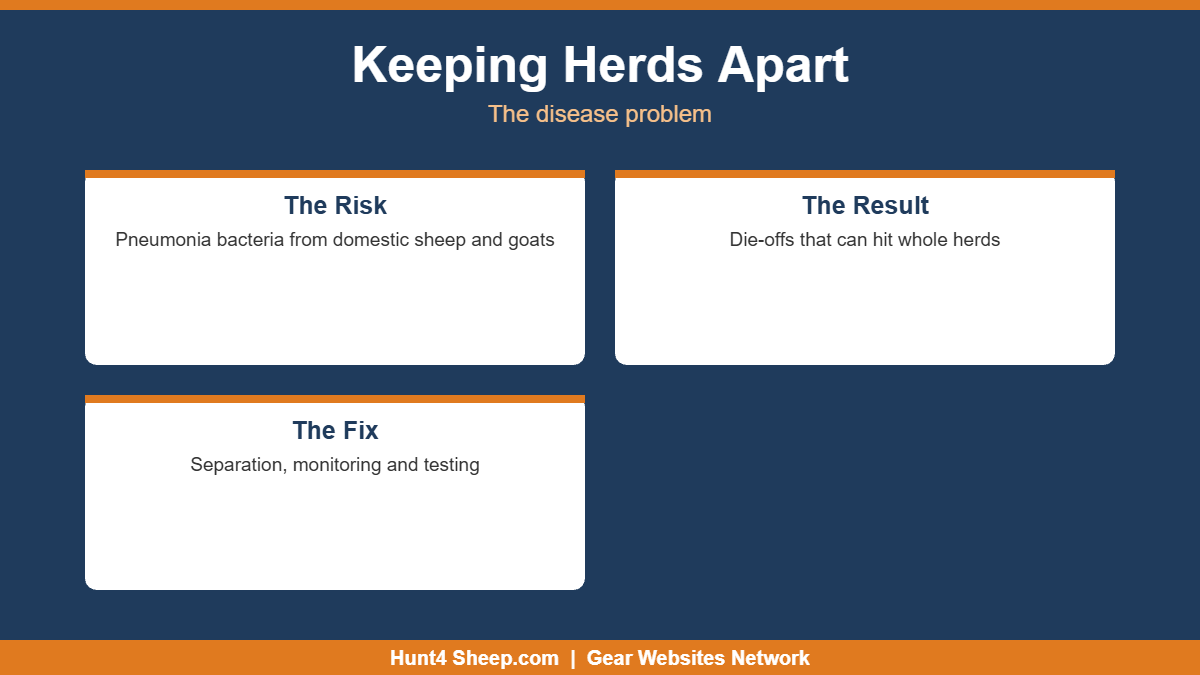
The biggest threat to bighorns today is pneumonia. Bacteria carried by domestic sheep and goats can spread to wild sheep through close contact and cause die-offs that kill much of a herd. Lambs in infected herds often die for years afterward. Keeping wild and domestic sheep apart is the most effective protection.
Who pays for it
Sheep tags and licenses fund state wildlife agencies. Conservation auction and raffle tags raise large sums that go directly to sheep work. Federal excise taxes on hunting equipment, returned to the states under the Pittman-Robertson Act, pay for research, habitat and transplants. Groups such as the Wild Sheep Foundation and state sheep societies add volunteers and grants.
How hunters help
- Apply for tags and buy licenses, even in years without a hunt
- Support state sheep societies and the Wild Sheep Foundation
- Report sick or dead sheep to the state wildlife agency
- Keep pack goats away from bighorn range
- Follow inspection and reporting rules after a harvest
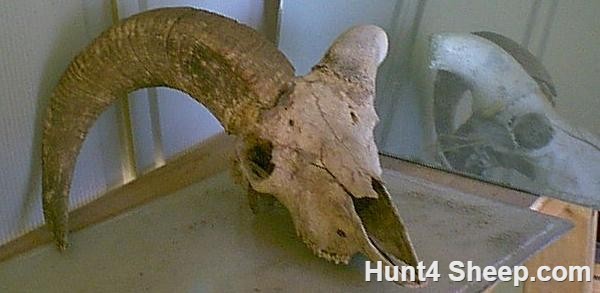
Arizona’s 2003 exchange with New Mexico is one example of the work. Arizona sent desert bighorns to New Mexico, where the desert sheep were endangered, and New Mexico sent Rocky Mountain bighorns to restock eastern Arizona. Trades like this keep spreading sheep back into their old range.
Watching the herds
State biologists count sheep from helicopters and on the ground, fit collars to track movements and test animals for disease. Those surveys set the number of tags each year, so permits rise and fall with the health of each herd.