Sheep hunting is a game of looking. Hunters spend far more hours behind binoculars and spotting scopes than walking, and the hunt is often decided by who sees the ram first.
Glass from high ground
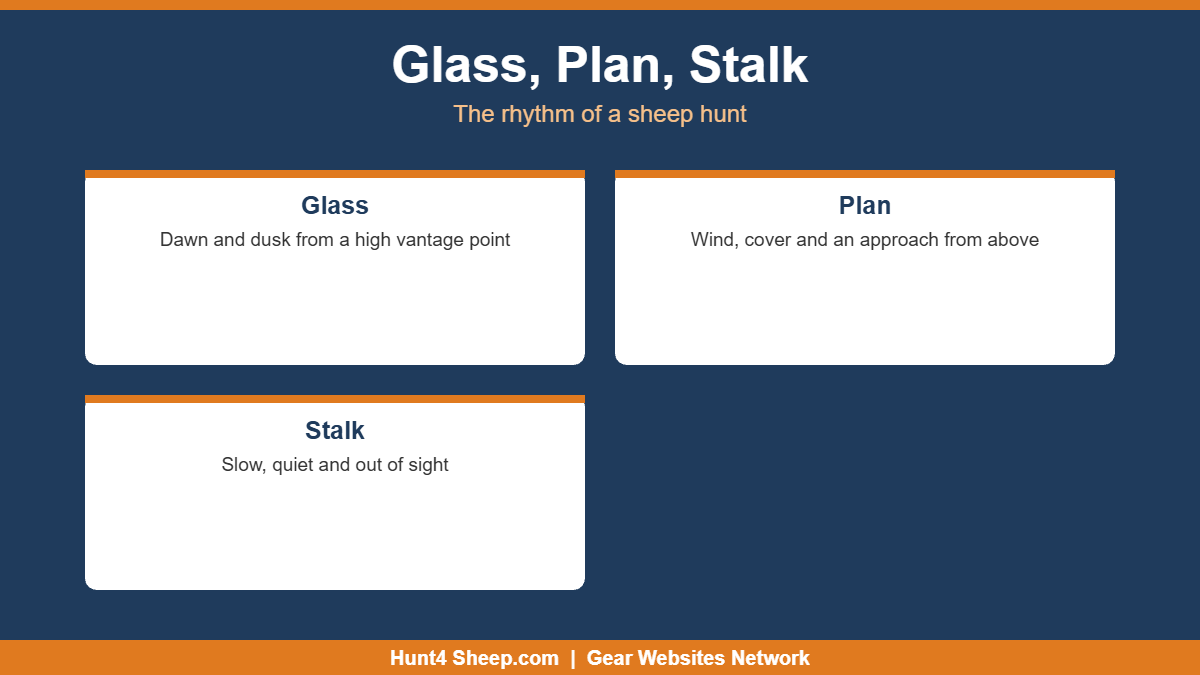
Sheep watch for danger below them, so hunters climb above or across from the country they want to search. The first and last hours of light are best, when sheep are up and feeding. Midday is for checking shaded ledges and bedded rams, often with a spotting scope on a tripod.
Judge the ram
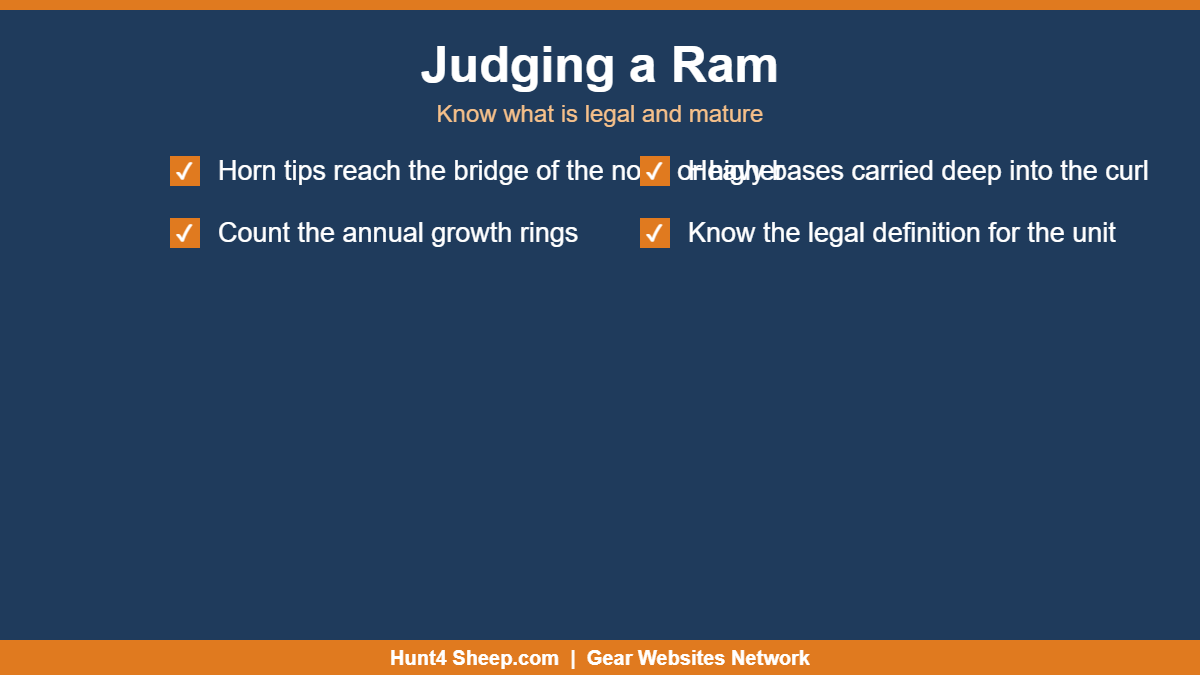
Once a ram is found, the next job is deciding whether it is legal and mature. Many units require a full-curl ram or a ram of a certain age. Older rams usually carry heavy bases deep into the curl, and their horn tips reach the bridge of the nose or higher. Annual growth rings on the horns show age, but counting them takes a good look through quality optics.
Plan the stalk
A good stalk starts with a plan made from the glassing spot. Hunters note landmarks, wind direction and routes that keep them out of sight. The approach is usually from above, since sheep expect danger from below. Loose rock, skylines and swirling wind blow more stalks than anything else.
Close the distance
Sheep country is open, and shots are often longer than in timber hunting. Hunters who practice at realistic distances, from field positions and in wind, make cleaner shots. Archery hunters work even harder to get close, often waiting hours for a ram to stand or move into range.
Desert versus mountain hunts
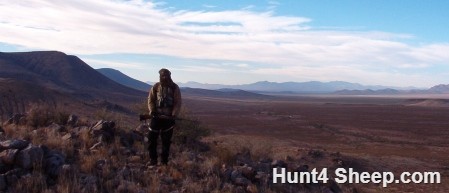
Desert bighorn hunts are often hot, with long days of glassing broken ranges and finding water. Rocky Mountain and Dall hunts can bring snow, cold rain and steep climbs at high elevation. Both demand fitness, patience and a willingness to keep looking.
After the shot
Sheep often fall into difficult places. Hunters mark the spot carefully, plan a safe route down and pack meat, cape and horns out on their backs. Many states require a sheep to be inspected and plugged within a set number of days, so the rules belong in the pack.
Gear makes a big difference on these hunts. See Sheep Hunting Gear.