The history of wild sheep in North America runs from abundance to near collapse and back toward recovery. These are some of the key moments.
Timeline
- 1800s: Bighorns decline sharply as settlers, market hunters and livestock spread across the West
- 1900 to 1930s: States close sheep seasons as herds disappear from many ranges
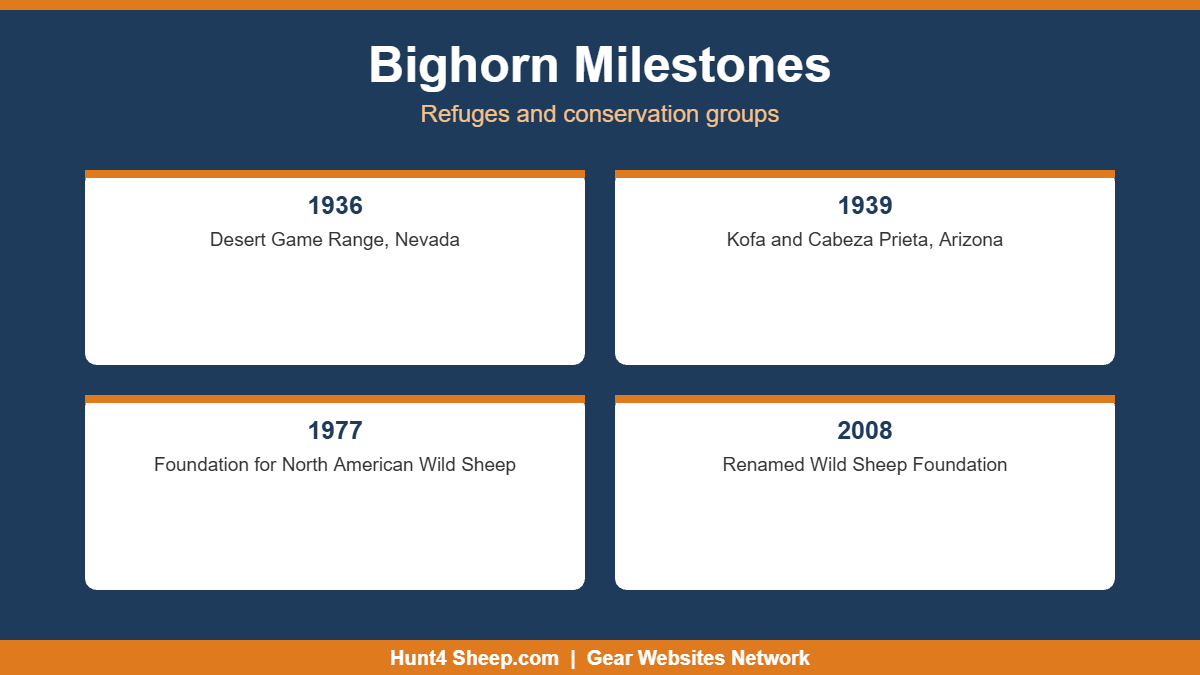
- 1936: The Desert Game Range is created in Nevada to protect desert bighorns
- 1937: The Pittman-Robertson Act begins funding state wildlife work with excise taxes on hunting equipment
- 1939: The Kofa and Cabeza Prieta game ranges are established in Arizona for desert bighorns
- 1950s: Limited, regulated bighorn hunts return in some states
- 1960s to 1990s: States expand capture and transplant programs to restore herds
- 1977: The Foundation for North American Wild Sheep is formed
- 2003: Arizona and New Mexico trade desert and Rocky Mountain bighorns to restore each other’s herds
- 2008: The Foundation for North American Wild Sheep becomes the Wild Sheep Foundation
- Today: Disease from domestic sheep remains the top threat, and hunter dollars continue to fund recovery
The lesson
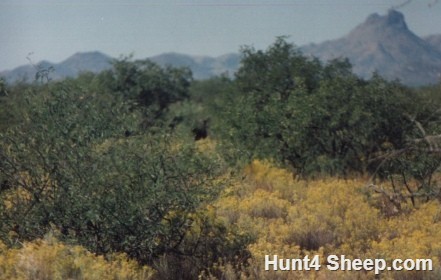
Bighorns did not come back on their own. Refuges, regulated hunting, transplants and steady funding from hunters rebuilt herds that were nearly gone. The same tools will decide their future.
Hunt4 Sheep.com
Hunt4 Sheep.com has covered sheep hunting since the early 2000s, when it reported on desert bighorn surveys along the Colorado River and the Arizona and New Mexico sheep exchange. The site returned in 2026 as part of the Hunting Websites network.
For how to join the story, see Bighorn Conservation.
Why these dates matter
Each date marks a decision that kept wild sheep on the mountain. The refuges of the 1930s protected the last desert herds. The 1937 funding law paid for the biologists, surveys and transplants that followed. The sheep groups formed from the 1970s on gave hunters a direct way to raise money for herds, and the trades between states spread healthy sheep into empty ranges. The work is not finished: disease, drought and lost habitat still push herds down, and the next chapter depends on the same partnership between hunters and wildlife agencies.